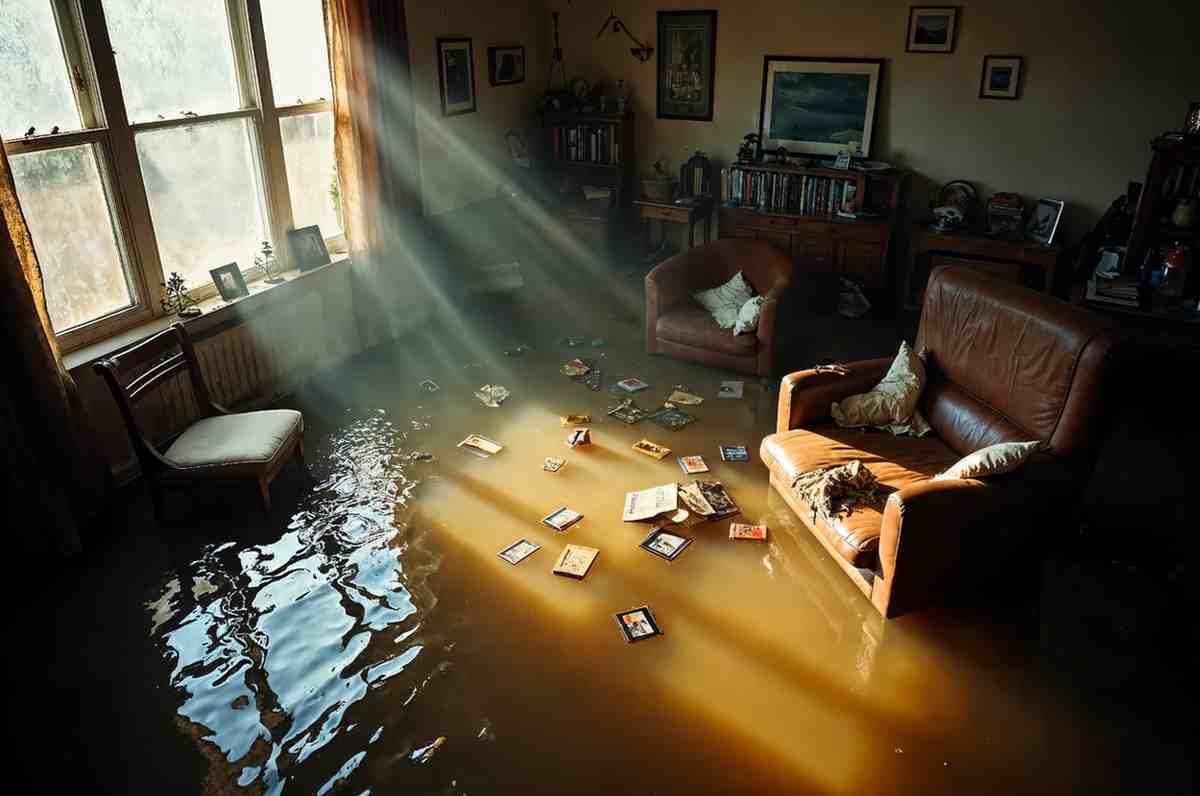

When a home or basement floods, the focus often falls on visible water damage, mold growth, and structural repairs. However, air duct cleaning after a flood is just as critical—and often overlooked. If your HVAC system and ductwork are exposed to floodwater, it can lead to serious health hazards, reduce indoor air quality, and create long-term issues for your home’s heating and cooling system.
In this article, we’ll explore why professional air duct cleaning after flooding is essential, how it protects your home and health, and the key steps involved in restoring your HVAC system to safe working condition.
Why Is Air Duct Cleaning After Flooding So Important?
Floodwater isn’t just water—it often contains bacteria, sewage, chemicals, and other hazardous contaminants. When water enters your home or basement, it can seep into your air ducts. Once contaminated, your HVAC system can circulate pollutants throughout your entire home.
Here are several reasons why cleaning air ducts after a flood is non-negotiable:
- Mold Prevention and Removal
- Moisture in air ducts creates an ideal environment for mold and mildew to grow.
- Mold spores can spread rapidly through your ventilation system, triggering allergies, asthma, and other respiratory problems.
- Elimination of Bacteria and Contaminants
- Floodwaters often carry pathogens and harmful microorganisms.
- Sanitizing your HVAC ducts after a flood helps eliminate bacteria and reduces the risk of infections and illnesses.
- Improved Indoor Air Quality
- Dirty or contaminated air ducts degrade indoor air quality, putting your family’s health at risk.
- Duct cleaning services after a flood ensure that clean air is distributed throughout your home.
- Preventing HVAC Damage
- Excess moisture or debris inside the ductwork can damage your HVAC system.
- Professional air duct restoration can protect your investment and extend the life of your heating and cooling equipment.
- Odor Removal
- Stagnant water, mold, and mildew can cause lingering musty smells.
- Thorough air duct cleaning removes odors at the source, not just covers them up.
Signs Your Air Ducts Need Cleaning After a Flood
Even if your HVAC system appears to be functioning normally, it could still be harboring hidden issues. Here are warning signs that your ductwork may be contaminated after a flood:
- Musty or moldy smell from vents
- Visible mold growth near air vents or inside ductwork
- Increased allergy symptoms or respiratory issues among family members
- Uneven airflow or reduced HVAC efficiency
- Water stains or debris around vents or air returns
If you notice any of these signs, contact a certified air duct cleaning specialist immediately to assess and remediate the issue.
What Does Flood-Related Air Duct Cleaning Involve?
Proper post-flood duct cleaning goes beyond a surface sweep. The process requires trained professionals using industry-standard equipment to ensure safety and effectiveness. Here’s what a typical HVAC duct cleaning process includes:
- Inspection and Assessment
- Technicians use cameras to inspect the entire HVAC system and ductwork.
- They identify areas affected by water damage, mold, or debris.
- Water Extraction and Drying
- Industrial-grade vacuums and air movers remove standing water and moisture from the duct system.
- HEPA Vacuuming and Brushing
- High-efficiency particle air (HEPA) vacuums remove mold spores, dust, and debris from inside the ducts.
- Antimicrobial Treatment
- Technicians apply EPA-approved antimicrobial agents to eliminate bacteria, viruses, and mold.
- Sanitization and Deodorization
- The entire system is sanitized, and odor neutralizers are used to remove any lingering smells.
- Final Inspection
- A follow-up inspection ensures the system is clean, dry, and safe for operation.
How Soon Should You Clean Air Ducts After a Flood?
The sooner you address air duct cleaning after basement flooding or any home flood, the better. Mold can begin growing within 24–48 hours. It’s recommended to:
- Shut off your HVAC system immediately after discovering flooding
- Call a water damage restoration company and HVAC professional
- Schedule an emergency duct cleaning to avoid long-term health and structural issues
Delaying action can lead to permanent damage and costly repairs, so it’s crucial to act fast.
Trusted Professionals for Air Duct Cleaning After Water Damage
Not all cleaning services are equipped to handle flood-damaged dumps. Choose a company with experience in air duct cleaning after water damage, proper certifications (like NADCA or IICRC), and positive reviews.
A reputable service will:
- Provide a thorough assessment and honest estimate
- Use industrial-grade cleaning and sanitizing equipment
- Follow safety and indoor air quality standards
- Guarantee results and provide post-cleaning inspection
Conclusion
Flooding in your home or basement is a stressful and potentially dangerous situation. While visible water damage grabs your attention, don’t forget what’s hidden inside your HVAC system. Air duct cleaning after a flood is critical to restoring a safe, healthy, and comfortable living environment.
Whether it’s sewage backup, storm flooding, or a burst pipe, acting quickly to clean and sanitize your air ducts can protect your family’s health, improve indoor air quality, and prevent expensive HVAC repairs.
If you’ve experienced flooding, contact a licensed air duct cleaning service as part of your recovery process. It’s not just about cleaning—it’s about safeguarding your home and your health.
Air duct cleaning after a flood
Flooded house air duct cleaning
Basement flood duct cleaning
Post-flood HVAC cleaning
Flood-damaged ductwork
Flood-related air duct cleaning
Why Choose Fast Response Restoration?
We are more than just a cleanup company—we are a support system during some of life’s most difficult moments. Here’s what sets us apart:
✅ 24/7 Emergency Response – Immediate help when you need it most
✅ Licensed & Certified – OSHA, EPA, IICRC, and DOT compliance
✅ Discreet & Compassionate – Respect for your privacy and sensitivity
✅ Locally Trusted – Serving [Denver – Metro] with professionalism and care
✅ Insurance Assistance – We help handle claims and paperwork