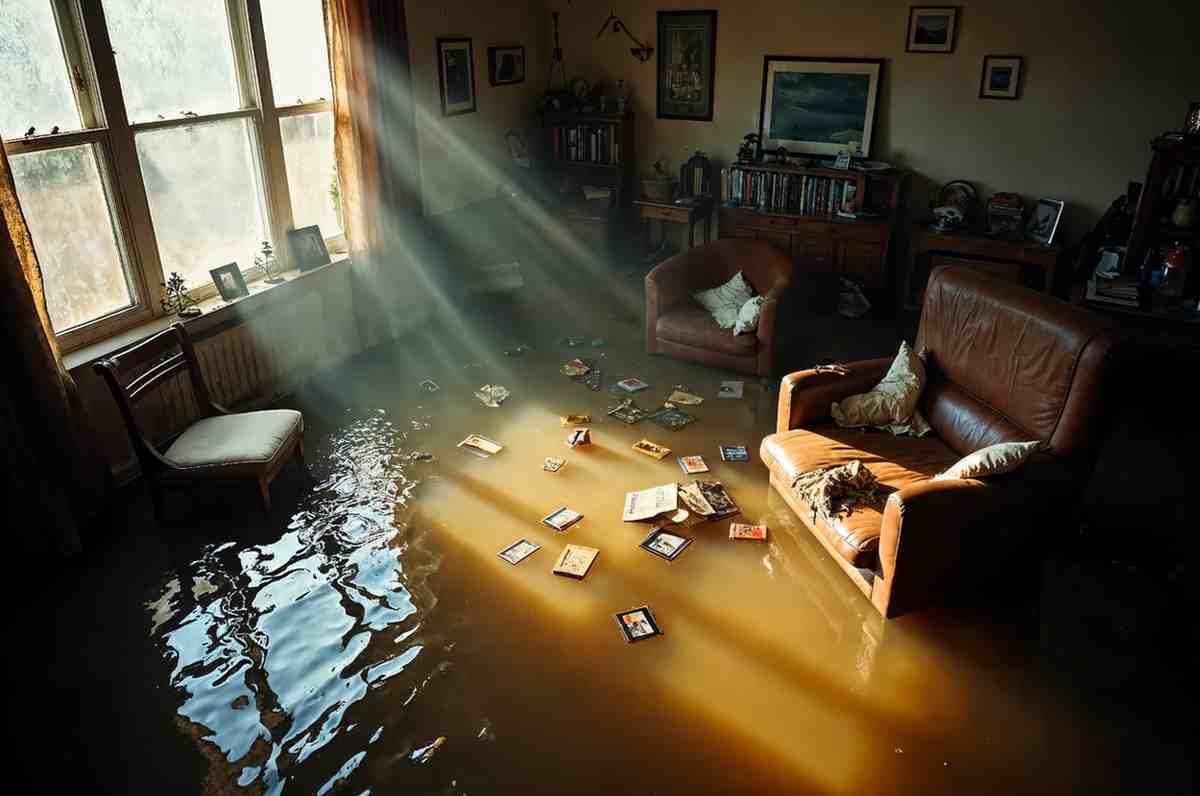
When floodwaters enter a home or commercial property, the damage can be devastating. While flooring, walls, and furniture often show the immediate effects, one critical area is frequently overlooked: the HVAC system. After water intrusion, HVAC system sanitation is an essential part of the flood remediation process to ensure safe indoor air quality, prevent mold growth, and protect the health of the building’s occupants.
Whether your property experienced a flooded basement, storm surge, or sewer backup, your heating, ventilation, and air conditioning system must be professionally assessed and cleaned. This guide explains why sanitizing your HVAC system after flooding is crucial, what’s involved, and how to ensure your system is fully restored.
Why HVAC System Sanitation Is Critical After a Flood
After a flood, moisture and contaminants can quickly infiltrate your HVAC system. If left untreated, these pollutants can be circulated throughout the home or building via the ductwork, creating hazardous indoor conditions.
Here are the primary reasons why HVAC cleaning and sanitation after water damage is essential:
- Preventing Mold Growth in Ductwork
Moisture inside air ducts creates the perfect environment for mold and mildew. Mold spores in HVAC systems can trigger allergies, asthma, and respiratory issues, especially in vulnerable individuals.
- Removing Bacteria and Contaminants
Floodwater is often contaminated with sewage, chemicals, and debris. These pollutants can settle in HVAC components, including ducts, coils, and air handlers. Without proper HVAC disinfection, harmful bacteria may be blown throughout the building.
- Restoring Indoor Air Quality
Sanitizing your HVAC system helps eliminate odors, allergens, and harmful particles. Clean systems provide healthier indoor air quality after flood damage and contribute to a safe living or working environment.
- Protecting Your HVAC Equipment
Floodwater can damage sensitive components such as the furnace, blower motors, and coils. Professional HVAC restoration after flooding ensures the system is properly dried, cleaned, and tested before use, preventing costly replacements.
The HVAC Sanitation Process After Flood Damage
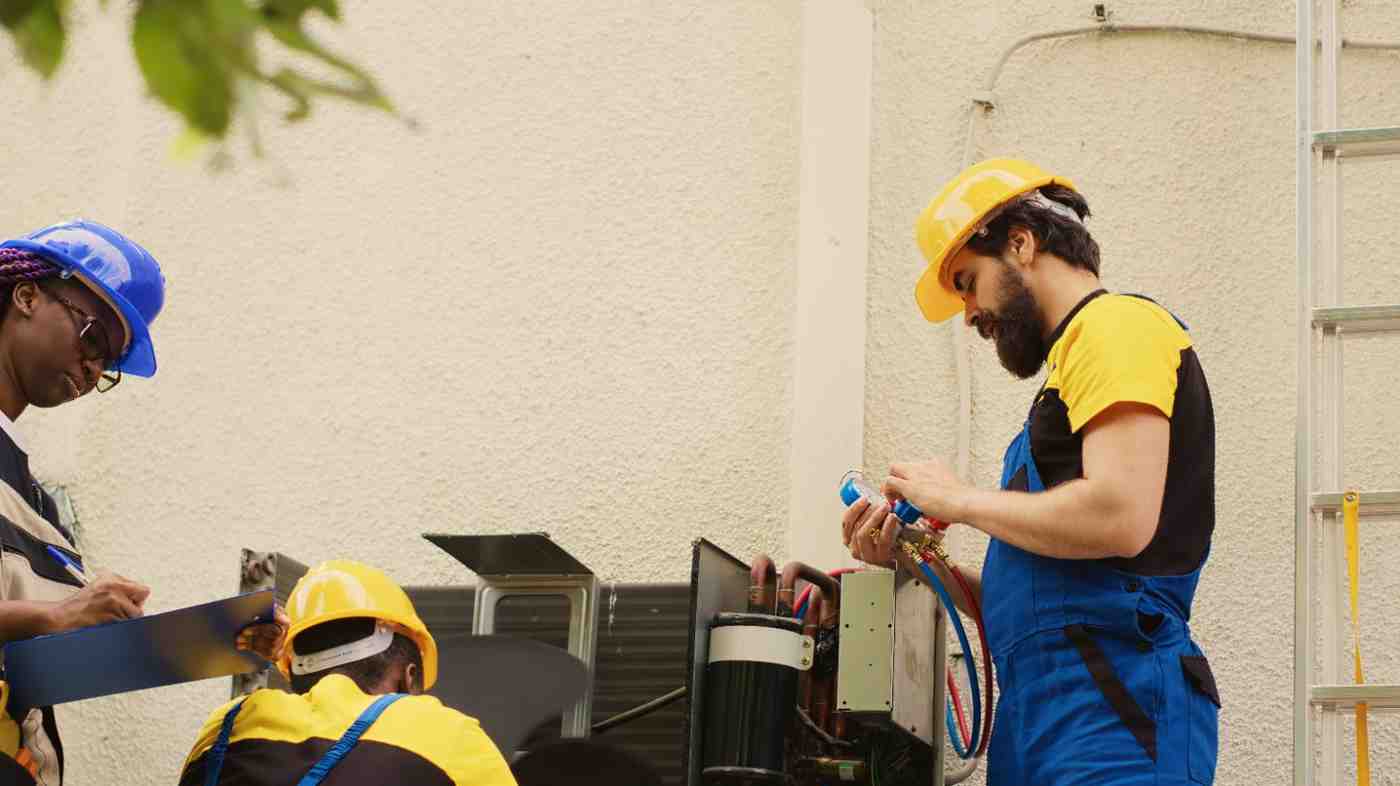
The HVAC remediation process must be performed by trained professionals with experience in post-flood sanitation and mold remediation. Below is a step-by-step outline of what you can expect during HVAC system cleaning after water damage:
Step 1: System Inspection
- A certified technician performs a thorough inspection of the HVAC system, including ductwork, air handler units, filters, and mechanical components.
- Infrared cameras and moisture meters help detect hidden moisture and damage.
Step 2: Water Removal and Drying
- Any remaining standing water is extracted from mechanical areas or ductwork.
- Industrial air movers and dehumidifiers are used to dry out all components thoroughly.
Step 3: Contaminant and Debris Removal
- HEPA-filter vacuums are used to remove dirt, dust, and contaminants from all accessible areas.
- Ductwork may be mechanically agitated or brushed to dislodge stubborn debris.
Step 4: Antimicrobial Treatment
- Technicians apply EPA-registered antimicrobial solutions to all internal surfaces of the HVAC system.
- This process eliminates mold, mildew, and bacteria, preventing future growth.
Step 5: Odor Control and Air Purification
- If needed, odor-neutralizing treatments and HVAC-safe air purifiers are used to eliminate musty smells.
- UV lights or HEPA filters may be recommended for ongoing protection.
Step 6: Final Testing and System Restart
- The system is tested for airflow, temperature control, and moisture levels.
- Once verified safe, the HVAC system is restarted and ready for regular use.
When Should You Sanitize Your HVAC System After a Flood?
You should schedule HVAC system sanitation services as soon as possible after any type of flooding, including:
- Basement flooding from heavy rains
- Storm surge or natural disaster damage
- Sewage backup or sump pump failure
- Broken pipe or appliance malfunction
Mold and bacteria can begin developing within 24–48 hours, making rapid response essential. Delaying this service can result in extensive contamination and higher remediation costs down the line.
Choosing the Right HVAC Sanitation Professionals
Flood-related HVAC cleaning should only be handled by licensed, insured, and experienced professionals. Look for companies that specialize in:
- Water damage restoration and HVAC sanitation
- Certified mold remediation (IICRC or NADCA)
- Post-flood inspection and indoor air quality testing
Professional HVAC sanitation includes more than just cleaning—it’s a full restoration service designed to protect your health and property.
Benefits of HVAC Sanitation After a Flood
- Health Protection: Eliminate mold, allergens, and airborne contaminants
- Improved Efficiency: A clean system works better and uses less energy
- Odor Elimination: Remove musty smells from mold and stagnant water
- System Longevity: Prevent corrosion and mechanical failure
- Peace of Mind: Know your air system is clean, safe, and functional
Final Thoughts
In the wake of a flood, you may be overwhelmed with visible damage, insurance claims, and repairs—but don’t overlook your HVAC system. Contaminated ductwork and components can silently degrade your home’s air quality and put your family at risk.
HVAC system sanitation after a flood is a critical part of any comprehensive flood remediation process. By working with trained professionals, you can ensure your system is properly cleaned, disinfected, and restored to safe operation.
If you’ve experienced water damage, contact a certified HVAC cleaning and restoration company immediately. Fast action will protect your health, preserve your system, and restore the comfort and safety of your property.
- Why Choose Fast Response Restoration?
- We are more than just a cleanup company—we are a support system during some of life’s most difficult moments. Here’s what sets us apart:
- ✅ 24/7 Emergency Response – Immediate help when you need it most
✅ Licensed & Certified – OSHA, EPA, IICRC, and DOT compliance
✅ Discreet & Compassionate – Respect for your privacy and sensitivity
✅ Locally Trusted – Serving [Denver – Metro] with professionalism and care
✅ Insurance Assistance – We help handle claims and paperwork